Your paint's biggest threats in East Tennessee change with the calendar. The good news: a few smart habits and the right protection handle almost all of them.
Spring: pollen
Spring pollen settles into a film on every horizontal surface. When it mixes with rain and dew, it sits on your paint and can leave spotting as it dries.
- Rinse pollen off with plenty of water before touching the paint, so you don't drag it across the surface.
- Avoid dry-wiping or using a dusting brush on a pollen-covered car.
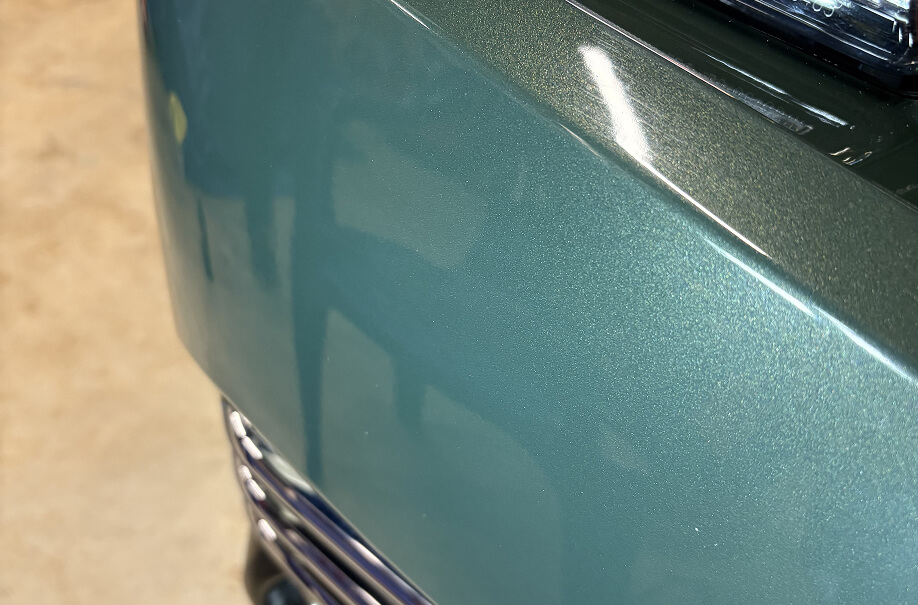
- A protected finish, especially a ceramic coating, releases pollen much more easily.
Summer: UV, bugs and bird droppings
Summer heat speeds up everything. Bug splatter and bird droppings are acidic, and hot paint lets them etch faster.
- Remove bird droppings and bugs as soon as you can, using a dedicated cleaner and a soft microfiber.
- Park in shade when possible, and keep wax, sealant or coating on the paint to block UV.
- Protect the front end from bugs and rock chips with paint protection film.
Fall: tree sap and leaves
Parking under trees means sap drips and wet leaves that can stain. Remove sap promptly with a proper remover, and don't let leaves sit in the cowl or on the hood.
Winter: road brine
Before winter storms, East Tennessee roads are pre-treated with salt brine. It's effective on ice and hard on your vehicle, clinging to the lower body, wheels and undercarriage.
- Wash or get an exterior detail after driving on treated roads.
- Pay attention to wheel wells, rocker panels and lower doors.
- A sealed or coated finish keeps brine from bonding as easily.
The year-round protection plan
The simplest long-term plan: PPF on the high-impact front end, ceramic coating on the rest, and regular professional details. Want help building a plan for your vehicle? Request a free quote or call 865.724.6796.
Frequently Asked Questions
How do I get pollen off my car without scratching it?
Rinse it off with plenty of water before touching the paint. Do not dry-wipe or brush a pollen-covered car, because the dust acts like sandpaper.
Does road brine damage car paint?
The salt brine used on East Tennessee roads clings to lower panels, wheels and the undercarriage. Washing or getting an exterior detail after driving on treated roads keeps it from sitting on your vehicle.
What is the best year-round protection for East Tennessee?
A simple plan is paint protection film on the front end, a ceramic coating on the rest of the vehicle and a professional detail every three to four months.
Get a Free Quote for Your Vehicle
Detailing from $100, ceramic coatings from $1,200 and paint protection film from $1,299. Serving Knoxville, Maryville, Farragut, Oak Ridge and surrounding areas, Monday to Saturday, 8 AM to 6 PM.